Cut Through the Politics
Drive Real CX Impact
A 3-hour working session for CX, product, and design leaders trying to make good decisions survive inside complex organizations.
HOW TO MOVE FROM INSIGHT → ACTION
You have the data. You understand the customer gaps. You have probably made the case more than once.
What keeps stalling is everything around the insight. Competing priorities. Unclear ownership. Leadership that agrees in the room and reprioritizes by Friday. Cross-functional partners who nod and then do nothing.
It’s politics.
This session gives you a clear map of the forces shaping what is possible in your organization, and a strategy for navigating them.
WHAT HAPPENS IN THE WORKSHOP
You arrive with one real initiative. Something stalled, something constrained, something you are actively trying to move.
Over three hours, you move through a series of structured activities, each one designed to surface a different layer of what's shaping your specific challenge.
By the end, you leave with:
- A clear view of which forces are working for and against you, and why they are arranged the way they are
- A short list of where your effort will change the system, focusing on the two or three places where the right move shifts things meaningfully
- A plan for what to do next, who to involve, and how to frame the conversation so it lands with the people who need to say yes
Date: June 16, 2026
Time: 9:00 AM to 12:00 PM CT
Format: Live virtual, small group — 20 participants maximum
Investment: $299
Registration closes: June 14, 2026
WHO IS THIS FOR
This session is designed for senior leaders in CX, product, design, UX, research, operations, and customer success who are navigating influence, incentives, and internal resistance.
It is particularly relevant if you:
1.) See the right priorities clearly, but cannot get alignment across functions
2.) Are asked to tie CX work to revenue, retention, or efficiency without controlling the systems that drive those numbers
3.) Have strong customer insight but limited decision authority
4.) Feel that organizational gravity, not the quality of your ideas, is determining what gets done
This session moves fast because everyone arrives prepared.
Before May 26, complete a short diagnostic and a reflection exercise. In total, it’s about an hour of focused work. The diagnostic surfaces the structural dynamics shaping your initiative. The reflection exercise sharpens the specific challenge you will bring into the room.
If that sounds like a reasonable investment before three hours of focused work on your situation, this session is for you.
If you are not ready to do that work, this is probably not the right moment.
RESULTS
My client, Pedro was a new SVP of Customer Success at a global SaaS company. He had inherited flat CSAT, a backlog his team could not clear, and premium customers quietly leaving despite his team's best efforts. He had strong instincts about what needed to change. He kept walking out of rooms without commitments.
He had the insights and the drive, but the organizational forces shaping every decision around him had never been made explicit. Once he understood what levers to push and pull, everything moved differently.
After a full engagement, his team's CSAT went from the low 40s to 97, a 132% increase in 90 days, with no new headcount.
The workshop is where that kind of work begins. You surface the forces. You find where to push. You stop absorbing blame for a system that was never designed to support you.
Your questions, answered:
Do I need to have a specific challenge ready?
Yes. Come with one real initiative — something stalled, something you're actively trying to move. The session gets specific fast. That's where the value lives.
What if my situation isn't "political" in the obvious sense?
If an initiative has stalled despite good data and good intentions, the politics were present. You just didn't have a map for them. That's exactly what this surfaces.
Will it be recorded?
No. The small group format creates the conditions for real conversation. That requires everyone to be present.
What if I can’t make this date?
Yes — you can add the 5-hour coaching add-on at the end of the session.
What past participants have said
Group size is capped at 20, so the work stays grounded in each participant's real context. Registration closes June 14.
about sarah
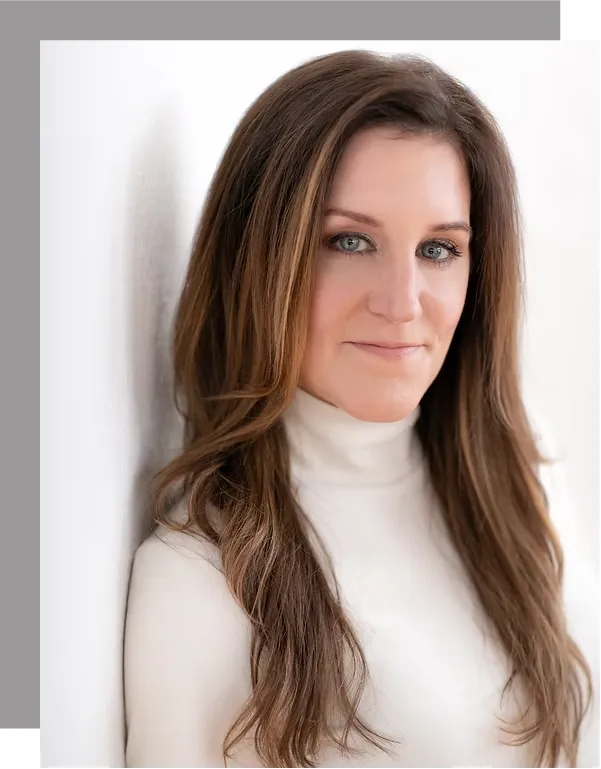
I have spent 25 years figuring out why good customer insight does not turn into organizational action, and what to do about it.
My clients have called me an investigative reporter, a conductor, and a no-BS thinking partner. What that means in practice: I identify where and why organizations fail to achieve their experience goals, then build systematic improvements with minimal disruption and maximum impact.
I have worked with over 75 organizations across 22 industries. I have designed and facilitated hundreds of workshops with CX, design, product, and customer success teams. The contexts differ. The structural dynamics that keep initiatives stuck are nearly identical across all of them.
The leaders who get traction understand the terrain well enough to know where being right will actually land.
That is what this session builds.